
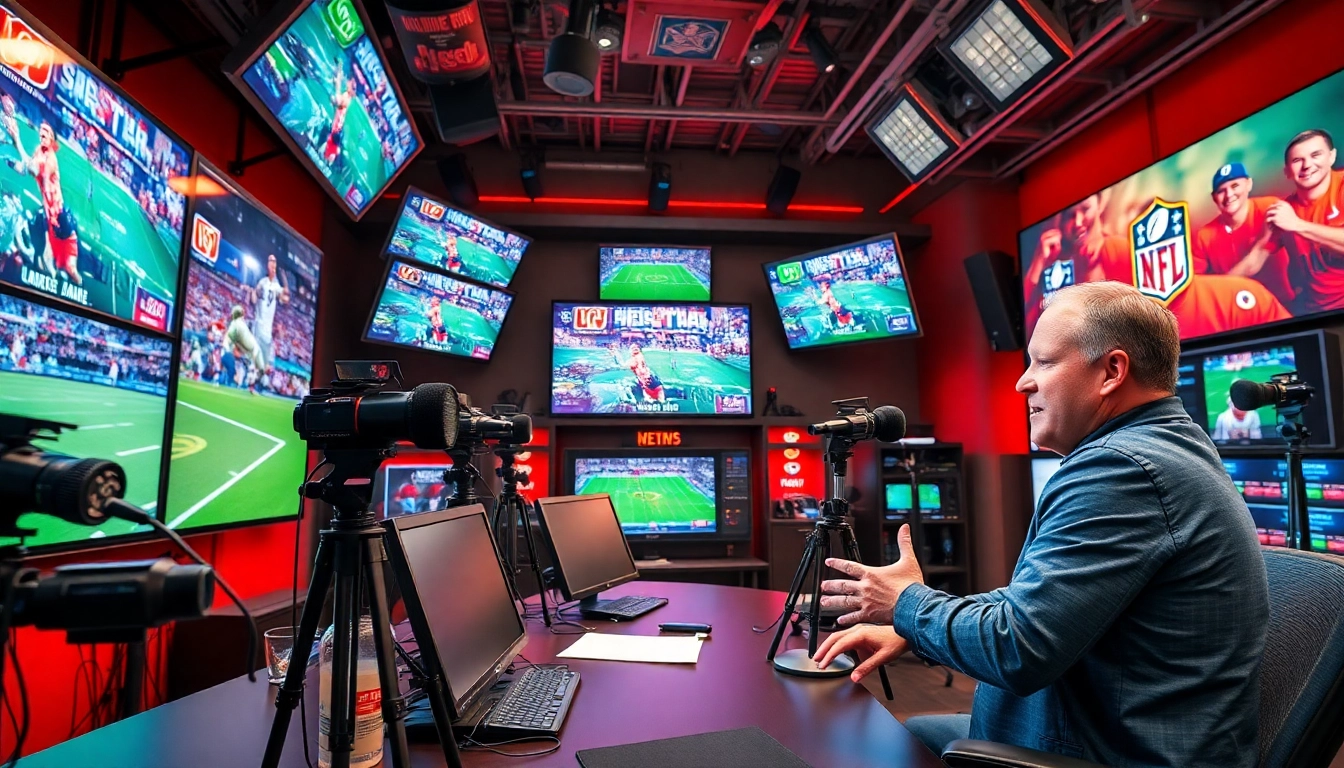
The Evolution of Sports Broadcasting
Historical Background of Sports Broadcasting
Sports broadcasting has a rich history that dates back to the early 20th century when radio became the first medium to deliver live sports to people's homes. The first official broadcast of a sports event occurred in 1921, featuring a boxing match between Jack Dempsey and Georges Carpentier. This landmark event kicked off the era of sports broadcasting, where fans could tune in to hear live updates and commentary, changing the way they interacted with sports. By the 1950s, television had entered the scene, offering viewers a new way to experience their favorite games. Live broadcasts became a staple of American culture, with events like the Super Bowl becoming social occasions that families gathered to watch together.
Technological Advancements in Sports Broadcasting
Since those early days, technological advancements have played a crucial role in shaping the landscape of sports broadcasting. The introduction of color television in the 1960s enhanced viewers' experiences by providing vibrant visuals of games. With the rise of satellite and cable television in the 1980s and 1990s, sports networks emerged, offering dedicated channels for sports content. The digital age has brought forth high-definition (HD) and now even 4K broadcasts, immersive experiences through augmented reality (AR), and the introduction of 360-degree video technology.
Impact of Digital Media on Sports Broadcasting
Digital media has disrupted traditional sports broadcasting paradigms, creating new opportunities and challenges. The rise of online streaming services has changed how viewers consume sports content, leading to the emergence of platforms that allow live streaming of games. Fans can now access sports broadcasts anytime and anywhere, thanks to mobile applications and social media. This shift has led to a more personalized consumption experience, with audiences having the ability to select specific sports, teams, and content that resonate with them. Sports Broadcasting is now not just a passive viewing experience but an interactive one, where social media discussions can enhance the engagement and connect fans globally.
Key Components of Successful Sports Broadcasting
Understanding Your Audience Segmentation
In the realm of sports broadcasting, understanding your audience is essential. Different demographics engage with sports content differently, which calls for precise segmentation. Factors such as age, gender, geographical location, and preferences play a significant role in shaping how broadcasts should be structured. For example, younger viewers may prefer dynamic highlights and interactive content, while older audiences might appreciate in-depth analyses and traditional commentary. Utilizing audience insights, broadcasters can tailor their content, ensuring maximum reach and engagement.
Utilizing Analytics for Live Sports Broadcasting
Analytics have become indispensable for successful sports broadcasting. Broadcasters can track viewer preferences, engagement rates, and demographic data in real-time, allowing them to make data-driven decisions. This analytical approach not only improves the immediate broadcast process but helps caregivers to hone future strategies. For example, by analyzing which segments of a game attract more viewers, networks can strategically plan ad placements and tailor commentary for richer viewer experiences.
Creating Engaging Broadcast Content
Creating engaging content is critical for maintaining viewer interest in sports broadcasts. Interviews with players, behind-the-scenes footage, and interactive segments can help enhance the viewing experience. Entertaining graphics, statistics, and expert commentary during the live telecast can keep audiences glued to their screens. Engaging storytelling that connects fans to players' journeys adds a human element to broadcasts, enhancing overall engagement and loyalty. An interactive element, such as polls or live chats during broadcasts, can further boost viewer participation, making them feel valued.
The Role of Social Media in Sports Broadcasting
Leveraging Social Platforms for Audience Growth
Social media has transformed the landscape of sports broadcasting, offering unprecedented opportunities for audience growth. Platforms like Twitter, Facebook, Instagram, and TikTok have become essential in reaching diverse demographics. Engaging posts, highlighting memorable moments from games, sharing exciting visuals, and utilizing hashtags can significantly boost a brand's visibility. Additionally, collaborating with influencers drives cross-promotion, extending reach beyond traditional fan bases and paving the way for audience expansion.
Best Practices for Real-time Engagement
Real-time engagement on social media is imperative for keeping fans connected during live broadcasts. Broadcasters can leverage social media to provide updates, post-game highlights, or behind-the-scenes content that fuels discussions. Creating dedicated hashtags allows fans to engage in conversations, providing their insights and reactions to events as they unfold. Furthermore, using live polls, Q&A sessions with commentators, or interactive comments during broadcasts can enhance viewer participation and create a sense of community.
Case Studies of Successful Social Media Integration
Several sports organizations have successfully integrated social media with their broadcasting efforts. For instance, during major tournaments, teams and leagues utilize platforms to release exclusive content, making social media a crucial part of their overall broadcasting strategy. Notable case studies include interactive live-tweeting during games and creating engaging Instagram stories that offer a behind-the-scenes look at players' lives. These strategies have proven effective in captivating audiences, bringing in younger fans, and stimulating ongoing engagement long after the events have concluded.
Monetization Strategies in Sports Broadcasting
Exploring Advertisement Opportunities in Sports Broadcasting
Advertisement remains a primary revenue source for sports broadcasting. Brands are keen to associate themselves with sporting events, and broadcasters can maximize this by offering diverse ad formats such as pre-game, in-game, and post-game advertisements. Strategies such as sponsorship deals, branded content, and even native advertising can seamlessly integrate brand messages within broadcasting without diminishing viewer experiences. Leveraging targeted ad placements based on analytics truly enhances advertising effectiveness.
Generating Revenue Through Subscription Models
Subscription models have gained traction in the sports broadcasting realm, offering fans exclusive content and live events for a fee. Services like pay-per-view or monthly subscriptions allow sports networks to cater to niche audiences who seek specialized content outside traditional broadcasts. Furthermore, tiered subscription offers can appeal to a broader range of consumers, with basic packages for casual viewers and premium offerings for die-hard fans ensuring diverse revenue streams.
Partnerships and Sponsorships in Sports Broadcasting
Partnerships and sponsorships are fundamental in the sports broadcasting ecosystem. Establishing strategic alliances with brands not only provides financial support but also enhances credibility and reach. Creating collaborative campaigns can lead to fruitful marketing strategies that benefit both the broadcaster and the sponsors. Customizable sponsorship packages that align with audience demographics elevate the chances for success, thereby broadening the monetization avenues available to sports broadcasters.
Future Trends in Sports Broadcasting
Emerging Technologies Shaping Sports Broadcasting
As technology advances, the future of sports broadcasting looks promising. Innovations like 5G connectivity are expected to enhance streaming quality and reduce latency, allowing for better interactive experiences. Virtual reality (VR) and augmented reality (AR) are also anticipated to become commonplace, offering immersive viewing experiences that transport fans directly into the action. Machine learning and AI-driven personalized content delivery could redefine how broadcasters engage audiences, making the broadcasting experience more tailored than ever.
Predictions for Viewer Behavior Changes
Viewers’ behaviors are continuously evolving with advancements in technology and shifts in consumer preferences. It is predicted that the demand for on-demand content will rise, with audiences preferring to access games and highlights at their convenience. Younger generations, who are accustomed to instant gratification, may drive the shift towards shorter, more dynamic content formats. Broadcasters who can adapt to these behaviors and provide a personalized viewer experience will likely thrive in the upcoming landscape of sports broadcasting.
Preparing for the Future of Sports Broadcasting
To prepare for the changes ahead, sports broadcasters must be proactive in their approach. Investing in technology, adopting robust analytics for audience insights, and staying adaptable to trends are crucial for navigating the ever-evolving landscape. Engaging with fans directly through feedback and surveys can provide valuable insights into what they seek from broadcasts. Furthermore, creating flexible business models that can pivot in response to viewer needs and preferences is essential in securing long-term success in sports broadcasting.
FAQs:
What is Sports Broadcasting?
Sports broadcasting involves the live transmission of sports events through various media platforms, connecting fans with their favorite sports in real-time.
How has technology changed Sports Broadcasting?
Technology has introduced high-definition visuals, interactive content, and streaming services, enhancing the viewer experience and offering diverse methods of engagement.
Why is audience engagement important?
Engaging the audience increases viewer loyalty, boosts viewership numbers, and directly impacts advertising revenue and brand partnerships positively.
What role does social media play in Sports Broadcasting?
Social media facilitates real-time interaction, sharing highlights, building communities around events, and boosting viewer engagement with the content.
What are common monetization strategies?
Common strategies include advertisements, subscription fees, and sponsorship deals tailored to target audiences, optimizing revenue generation for broadcasters.